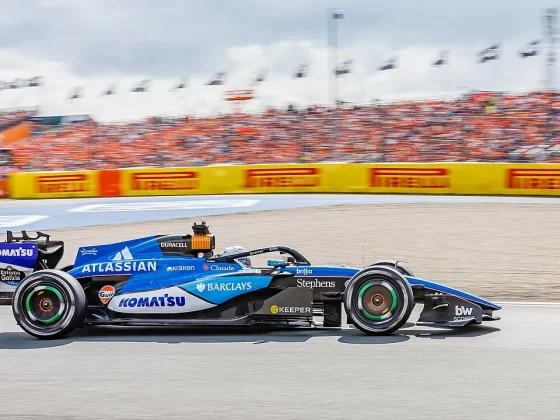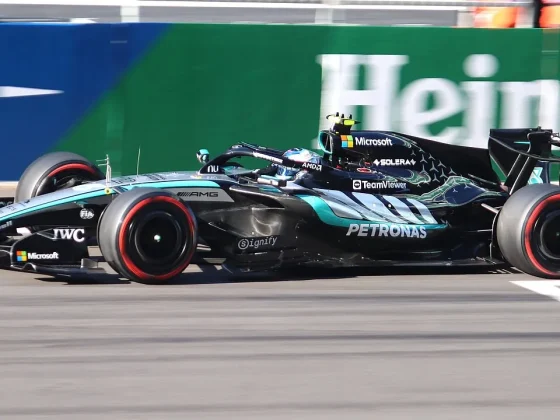
Williams team principal James Vowles is taking his plan to loosen Formula 1’s budget cap for struggling teams to the sport’s decision-makers. The proposal, nicknamed “ADUO for teams”, was on the agenda for Monday’s F1 Commission meeting, as Red Bull boss Laurent Mekies says the sport’s top four teams have converged faster than anyone expected.
What Vowles Is Proposing
Under the plan, teams would receive a sliding allowance to spend above the normal cost cap based on where they finish in the constructors’ championship. The further a team finishes from the front, the more extra room it would get.
The nickname borrows from ADUO, the catch-up system written into the 2026 regulations that gives power unit manufacturers who fall behind on performance additional development opportunities. Vowles wants the same principle applied to chassis spending, so that teams stuck in the midfield have a realistic route back towards the front.
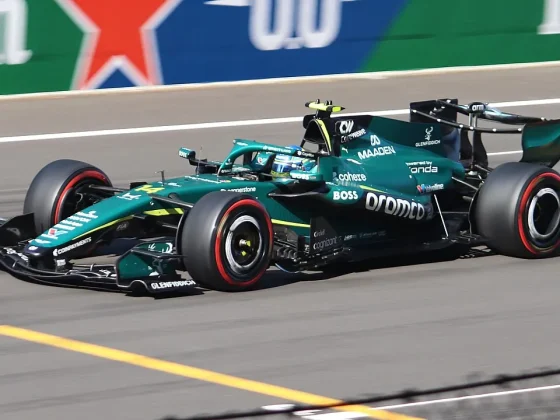
Vowles has said that backing from the FIA and Formula 1 matters most to him, and reports suggest Cadillac, Alpine, Aston Martin and Audi support the idea.
Why 2027 Looks Unlikely
Vowles had hoped to see the change in place for 2027, but a rule change that soon needs the support of the FIA, Formula 1 and six of the grid’s 11 teams. That majority does not appear to be there yet. Reports indicate the bar would be different for 2028, which makes that season the more realistic target if the idea gains momentum.
Details are still moving. Some coverage describes the shape of the mechanism as largely agreed, while other reports say the current version still needs work. No decision on the plan had been announced after Monday’s meeting, which was expected to be a discussion rather than a final vote on the details.
Mekies: The Front Is Closer Than Expected
The debate comes as the battle at the front of the grid tightens. Mekies says Mercedes, Red Bull, Ferrari and McLaren converged earlier than expected under the new 2026 rules, and he suspects the restrictive nature of the regulations is part of the reason. All four teams have won races this season, and they are often separated by fractions of a second.
That convergence is part of Vowles’ argument. If the leading four are already this close, he believes the gap that matters most is the one between them and everyone else.
The Staff Pay Question
Cost cap reform also touches on staff wages. At present, only a team’s three highest-paid personnel are excluded from the cap. Earlier ideas to widen that exemption to as many as 300 staff were judged too broad, with concerns that they would weaken the cap altogether, and the topic remains a separate discussion.
What Happens Next
The coming weeks should give a clearer sign of whether teams are ready to accept performance-based spending. Expect the leading teams to resist anything that hands rivals extra resources, while the midfield pushes for a route to compete. Any agreement is more likely to shape the 2028 season than next year’s.
Featured image: Photo: Web Summit / Wikimedia Commons, CC BY 4.0