Formula 1 teams have never been worth more, according to Sportico’s latest valuations. The business publication’s 2026 ranking, released on 12 November, puts the average team value at $4.55 billion, an increase of 33% in a year, and values the 11-team grid at around $50 billion in total.
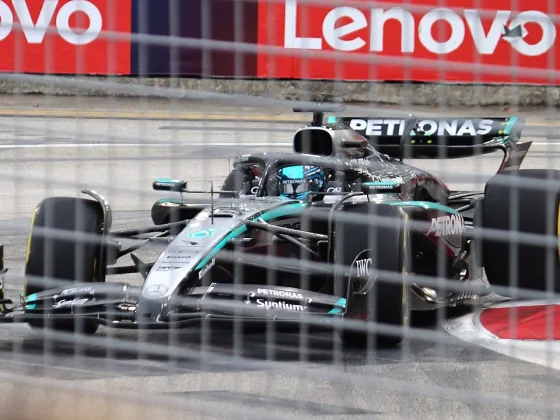
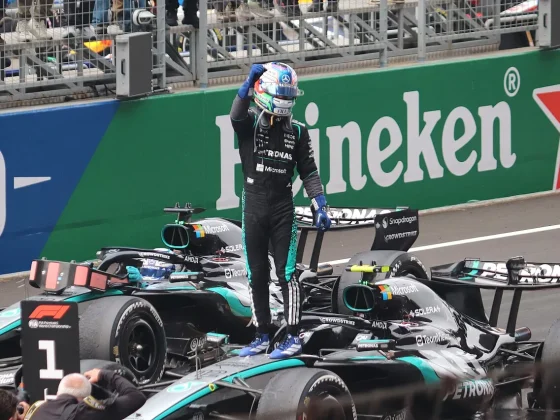
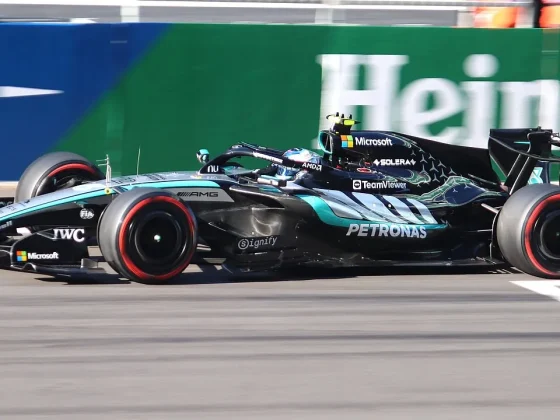
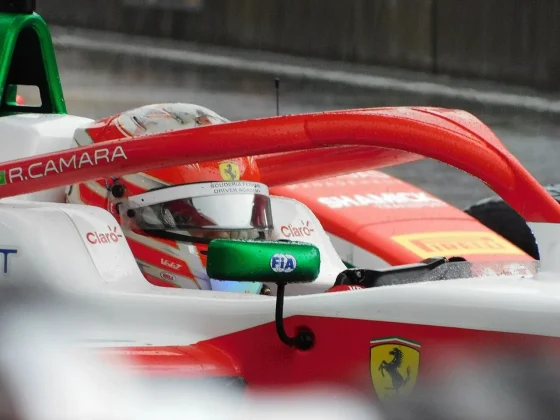
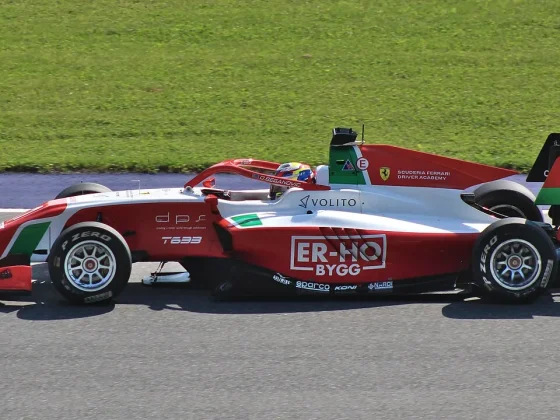
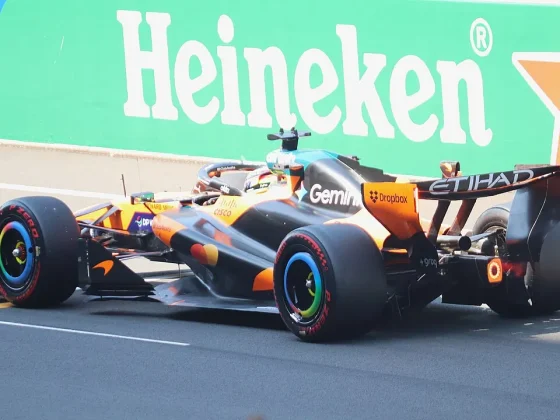
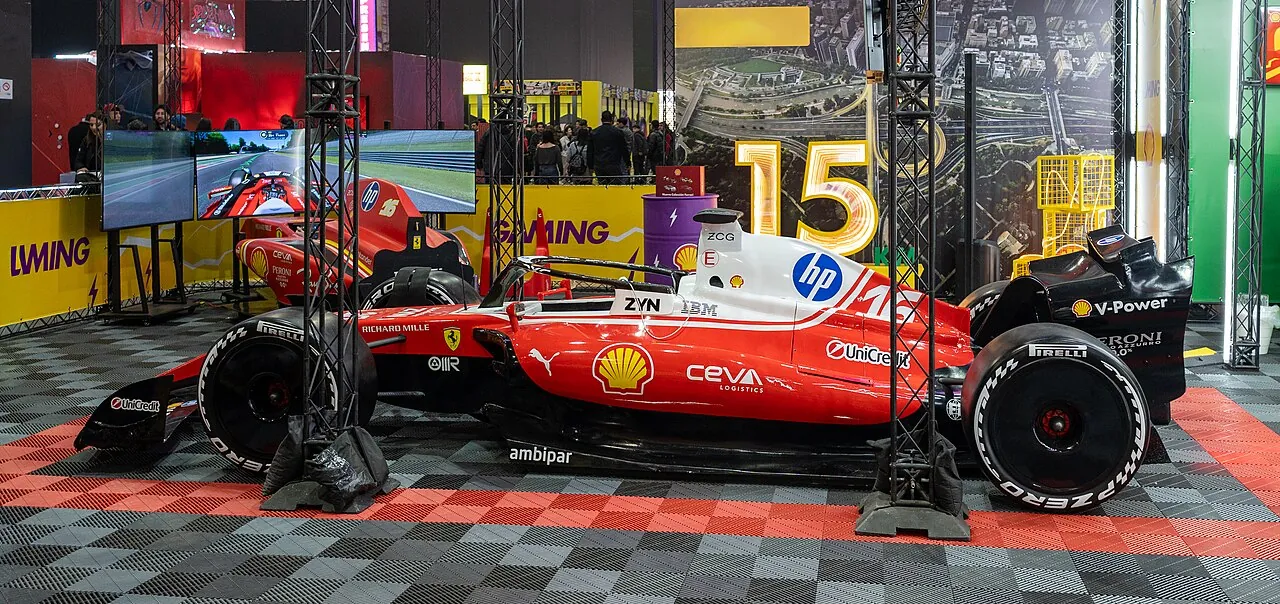
Ferrari leads the ranking for the fourth year running at $8.2 billion, a 28% rise on 2025. Mercedes, which this season returned to the top of the sport on track, is second at $7.75 billion after a 32% increase, with McLaren third at $6.3 billion, up 33%.
How the grid stacks up
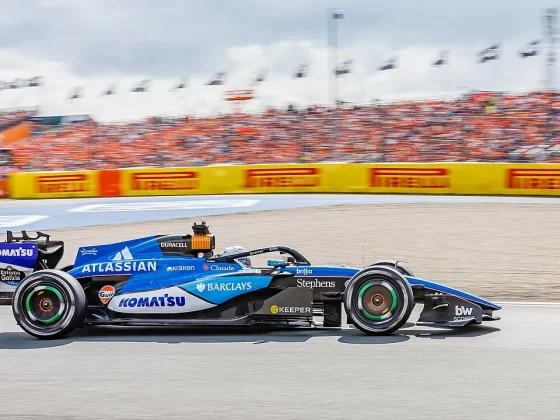
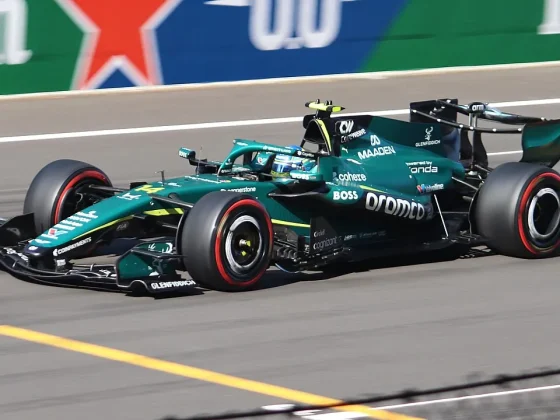
Red Bull is fourth on $5.6 billion, ahead of Aston Martin at $4.15 billion. Aston Martin recorded the biggest percentage gain among the leading teams, at 38%. Below them, the figures are tightly packed: Alpine is valued at $3.28 billion, Williams at $3.24 billion, Racing Bulls at $3.05 billion and Audi at $3 billion, with Haas on $2.8 billion.
Cadillac, in its debut season on the grid, completes the list at $2.7 billion. That a new entrant is valued so closely to established teams reflects how far the price of an F1 franchise has risen since the sport’s current owner, Liberty Media, took control in 2017, and how valuable a guaranteed place on the grid has become.
Maffei: ‘F1 is gone’ from public markets
The valuations landed alongside striking comments from Greg Maffei, Liberty Media’s former president and chief executive. Speaking at Sportico’s Invest New York conference, he was asked whether F1 would still be publicly traded in 2028. “I’ll say F1 is gone,” he replied.
Maffei’s reasoning was that the sport’s earnings growth is unlikely to repeat. He noted that F1’s EBITDA had tripled over the previous eight or nine years, and said he did not expect it to triple again over a similar period. Some reports have suggested a private transaction could value the business at around $30 billion, though that is an estimate rather than any offer or agreed figure.
A prediction, not a plan
It is important to be clear about what Maffei’s remarks are. He no longer runs Liberty Media, and his comments were a forecast rather than an announcement. F1 has made no public comment in response. Any change of ownership would also require approval from the FIA, which holds the championship’s commercial rights and leases them to the commercial rights holder over the long term.
Even so, the two stories point in the same direction. Rising team values and a long-term commercial agreement between teams and F1 have turned what were once loss-making operations into highly prized assets, and the question of who ultimately owns the sport is now a live one in the financial world.
Featured image: Photo: Rjcastillo / Wikimedia Commons, CC BY-SA 4.0