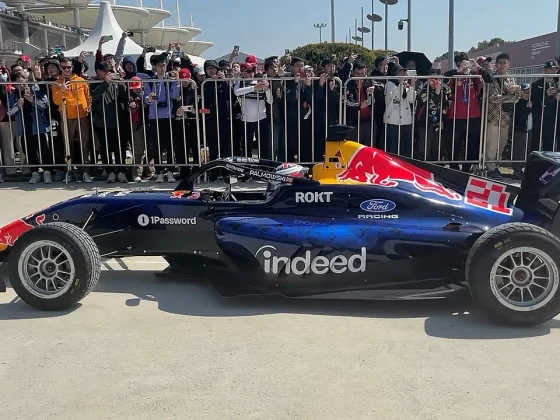
Red Bull team principal Laurent Mekies believes Formula 1’s top four teams have converged far sooner than anyone expected under the 2026 regulations, and has suggested the rules themselves may be the reason. Speaking at the São Paulo Grand Prix, in comments reported on Friday, November 13, the Frenchman said the tight fight at the front could point to a fairly restrictive rulebook.
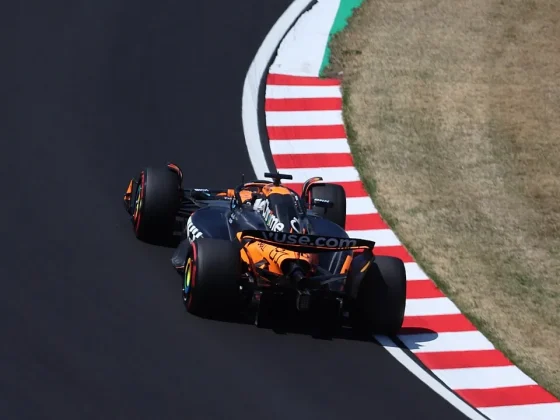
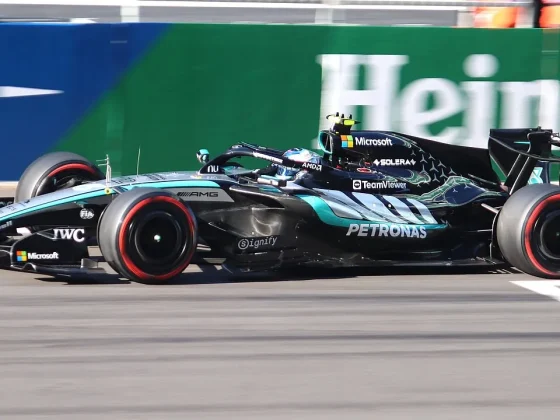
Mercedes, Red Bull, Ferrari and McLaren have all won races this season, and the gaps between them in qualifying have shrunk to fractions of a second, with the top five recently separated by around two tenths.
“Earlier than what we all thought”
“The convergence is probably happening earlier than what we all thought,” Mekies said. Asked what lay behind it, he added: “I’m guessing somehow, it’s perhaps an indication of fairly restrictive regulations.”
Mekies still sees an upside for the sport. He pointed out that the leading cars follow visibly different design concepts yet are fighting for wins, which he described as a great point for Formula 1.
His remarks sit against a debate over just how restrictive the new rules are. At first glance the 2026 regulations looked tight, but the number of technical innovations seen this year suggests teams have still found plenty of room to exploit the detail.
Red Bull’s own recovery
Red Bull is one of the clearest examples of how quickly the order has closed up. The team started the year well adrift of Mercedes, and one report this week said it has cut an early-season deficit of up to 1.4 seconds to roughly three tenths, through gains on both the chassis and power unit side.
That progress has turned Red Bull back into a regular contender, with Max Verstappen finishing second in Brazil and Isack Hadjar completing the podium.
Two leagues behind
Convergence at the front has not been matched further back. Alpine’s Pierre Gasly has described the field as split into “two leagues”, with a large gap between the top four and everyone else. He was more optimistic about the longer term: “Let’s give it another year or two, and hopefully that field can get quite close.”
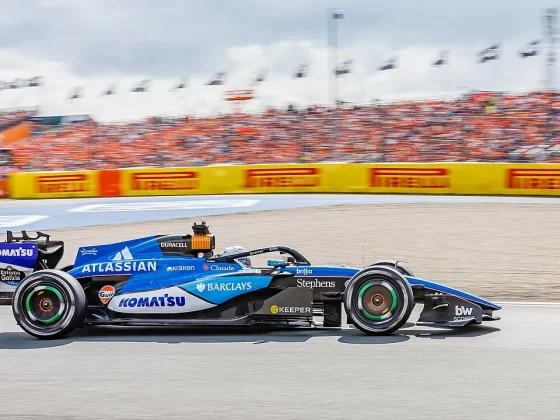
That gap is behind Williams boss James Vowles’ push for cost cap changes aimed at helping teams outside the top four, a proposal due to go before the F1 Commission.
What it means
Mekies’ comments matter because rule stability usually brings the field together over time, and the 2026 regulations will remain in place for several seasons. If the top four are already this close in year one, the battle at the front in 2027 could be even tighter. The bigger question for Formula 1 is whether the rest of the grid can join them, or whether the split Gasly describes becomes a fixture of this rules era.
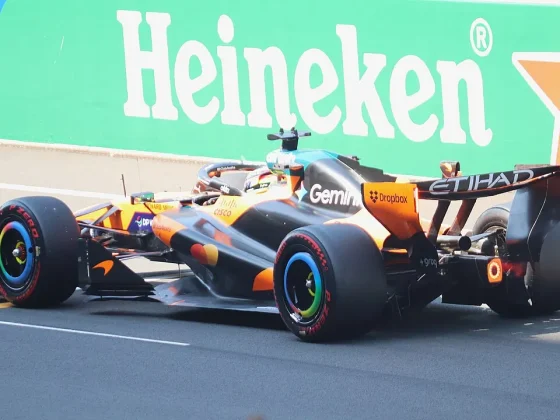
Featured image: Photo: Web Summit / Wikimedia Commons, CC BY 4.0